About
How Did We Get Here?
As we began researching the rapid rise of LEDs, we expected clear answers about their benefits and impacts. Instead, we found limited and often conflicting information, especially around long-term health and environmental effects. While LEDs are promoted as efficient, safe, and sustainable, concerns about brightness, blue light, and overuse kept surfacing.
That uncertainty pushed us to shift our focus.
Rather than looking at LEDs alone, we began exploring the bigger issue at hand: light pollution.
Blinded By The Glow: It didn’t start as a project about light pollution- it started with a question about LED Lights
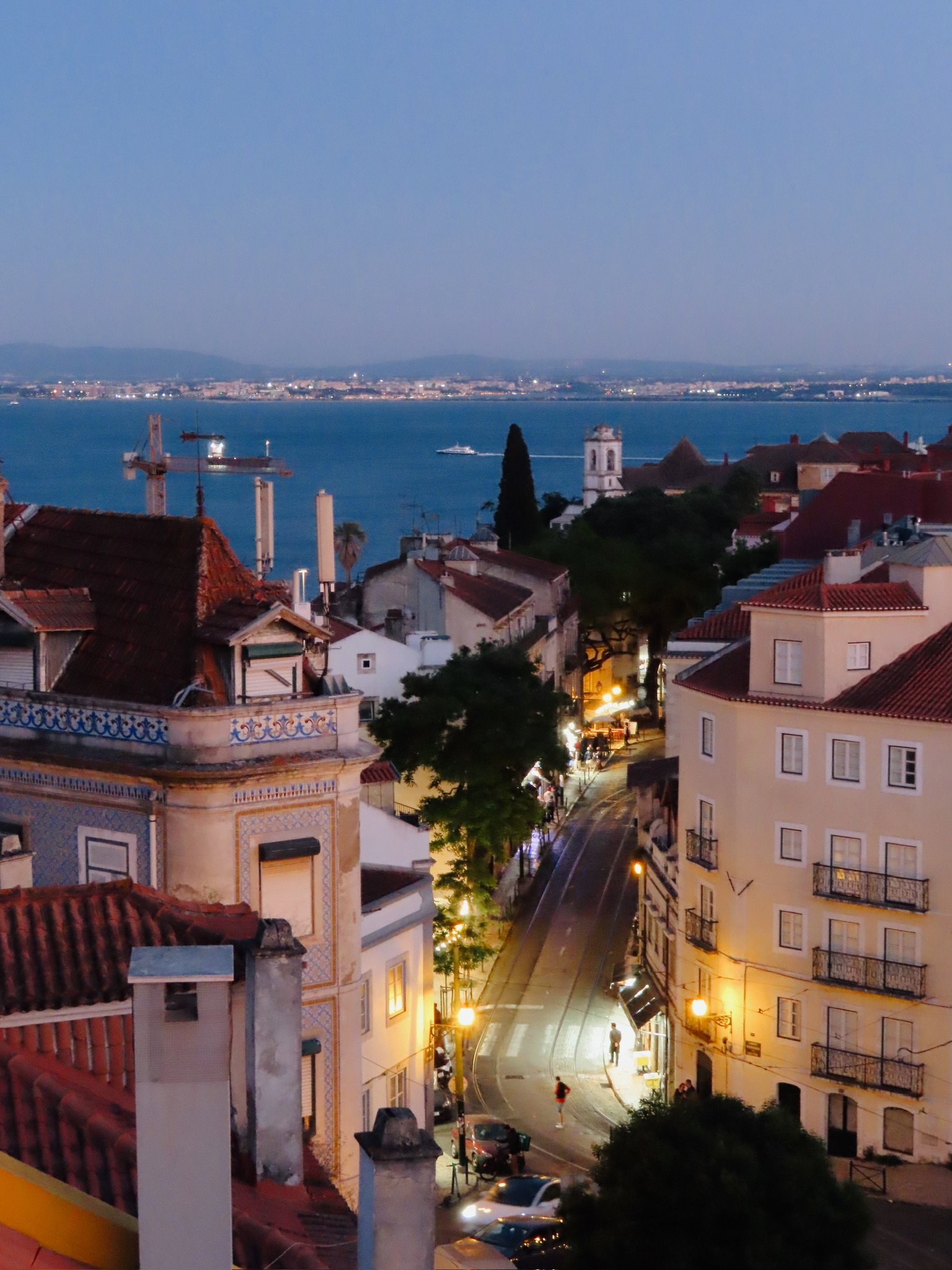
Courtesy of: Kate Oxley
What We’re Exploring
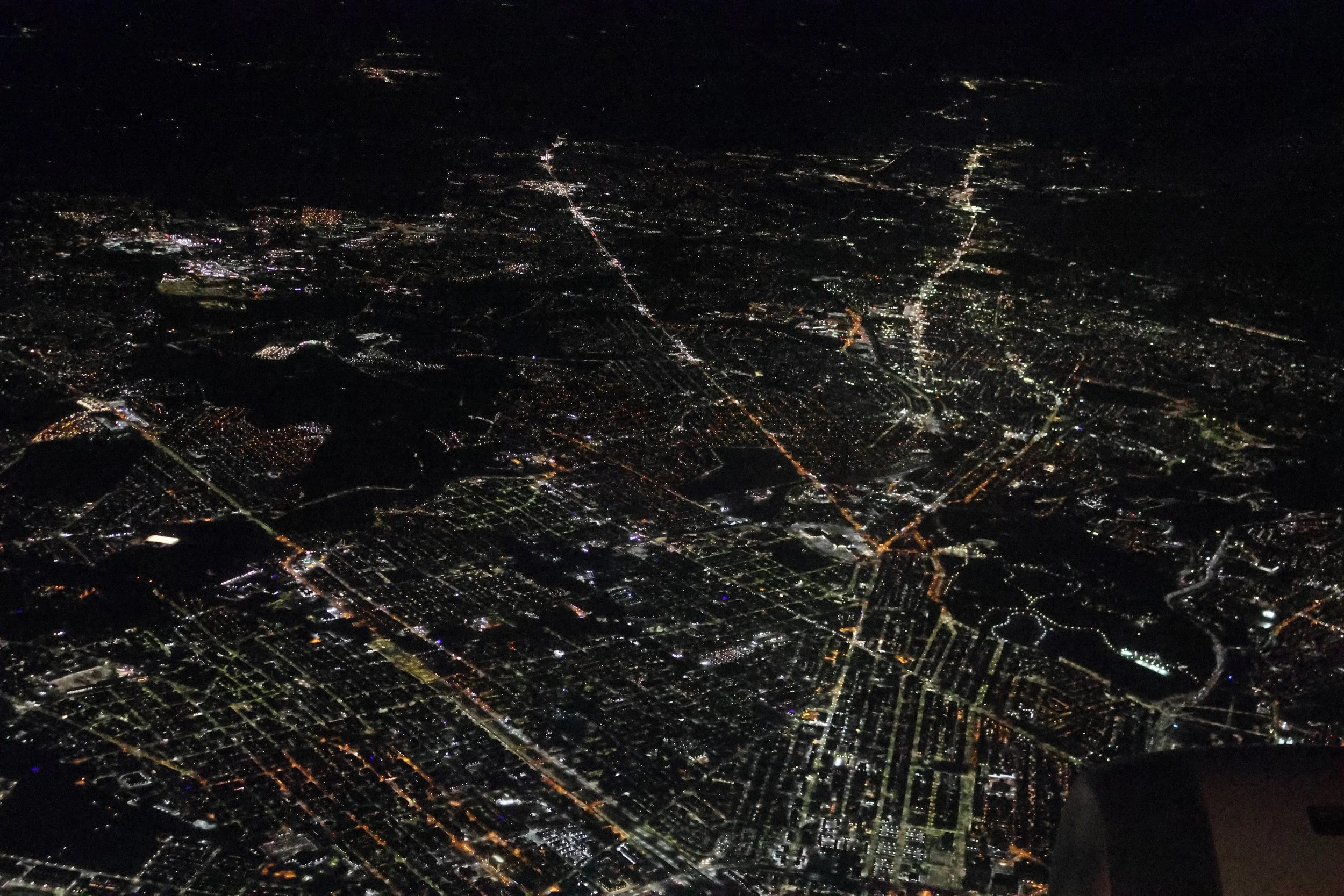
Light pollution is the result of excessive or misdirected artificial light at night(ALAN), which disrupts natural darkness. What we often perceive as progress or safety has quietly reshaped our environment, health, and daily lives. From disoriented migratory birds to humans facing disrupted sleep, circadian rhythms, and even increased risk of heart disease. Light pollution's impact goes far beyond the night sky.
Through interviews with experts, workers, and community members, we explore how light pollution affects everyday life, from sleep quality to our ability to experience true darkness. We also examine the systems behind the problem, including the rapid rise of LEDs, overlighting, and a culture that often prioritizes convenience over consequence.
Why It Matters?
Darkness is rooted in a simple idea that it is a natural right.
Our project is both an exploration and a call to action. Our goal isn't to eliminate artificial light, but to rethink how we use it, and recognize what may be lost when the world never fully goes dark.