Shattering Environments
1
2
3
4
5
Shattering Environments
Darkness Is Essential
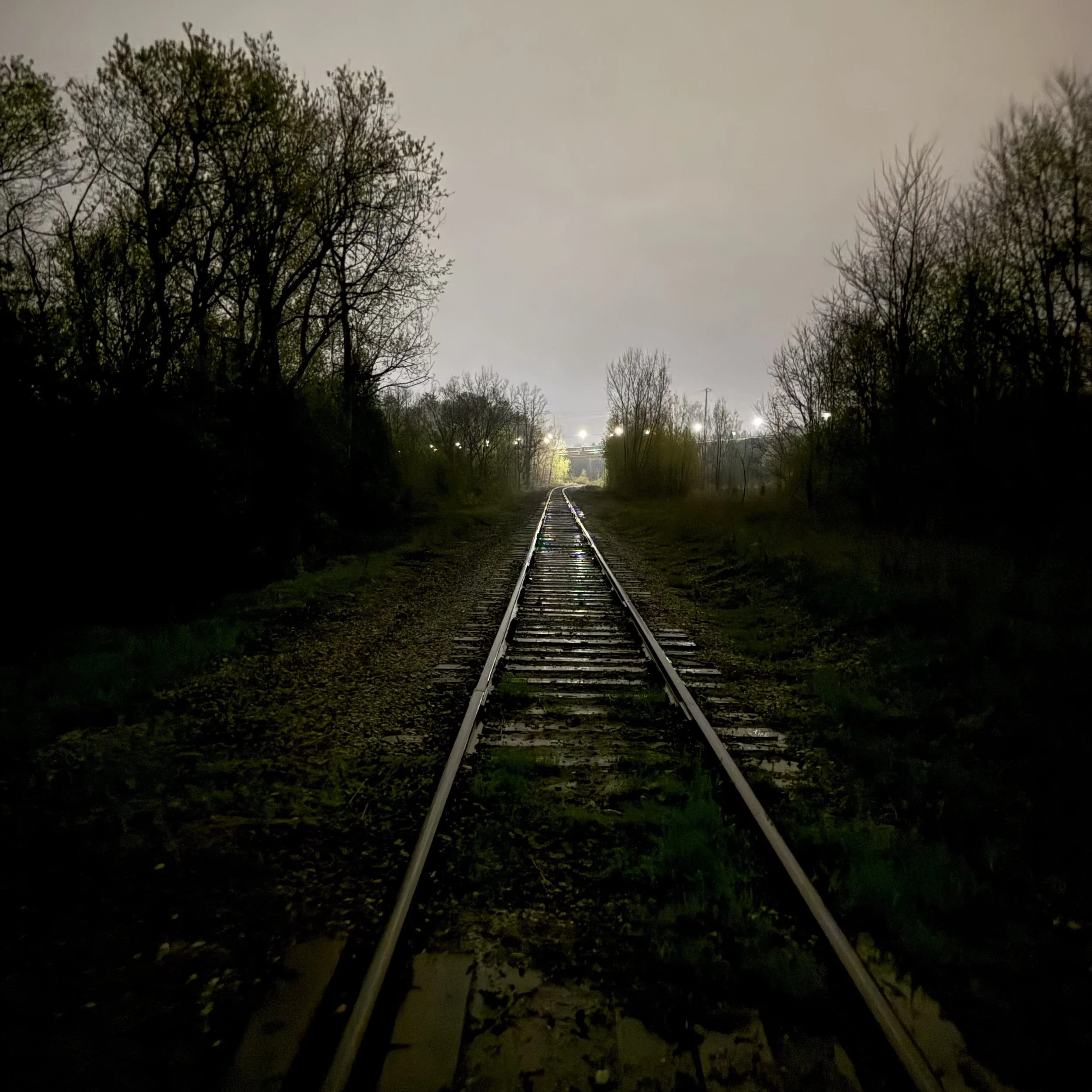
Courtesy Of Ryan McCaffrey - Burlington, VT -2024
ALAN doesn’t just illuminate our nights; it shifts, alters, and even shatters entire ecosystems. Throughout our research, Bhim Luitel discusses how artificial light has surrounded us for over a century. While this may be becoming more normalized, animals and other living creatures are one group that has not adapted.
For many, the night sky is already disappearing. Day by day, it continues to fade until it eventually shatters—and by that point, it will be too late to do anything for ourselves or our ecosystems. Our dark spaces are shrinking, so much so that we are beginning to see the reality of individuals who are no longer able to see the moon at night. With the presence of other forms of pollution, light pollution refracts and spreads, amplifying its impact. Not only is nature losing its balance, but we are pushing it beyond the point of repair.
Darkness, once a constant, is now becoming something we long for. The most alarming part is that some individuals don’t even realize what they are missing.
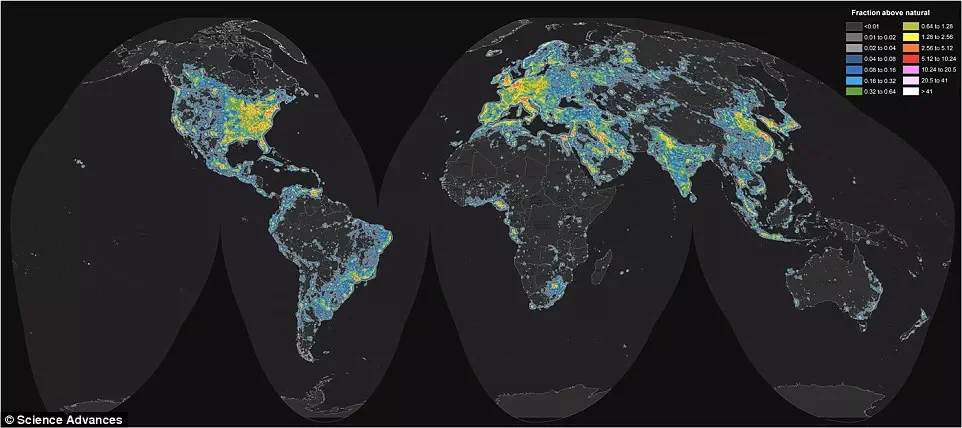
New World Atlas map shows extent of light pollution across the globe.
Technological innovations and the rise of cities led to a rapid surge in artificial light. In the 25 years from 1992 to 2017, satellite-based researched by the University of Exeter found that global light pollution increased by at least 49%, but the number could be much higher — up to 270%.
The Range Of Dark → Light
Bortle Scale
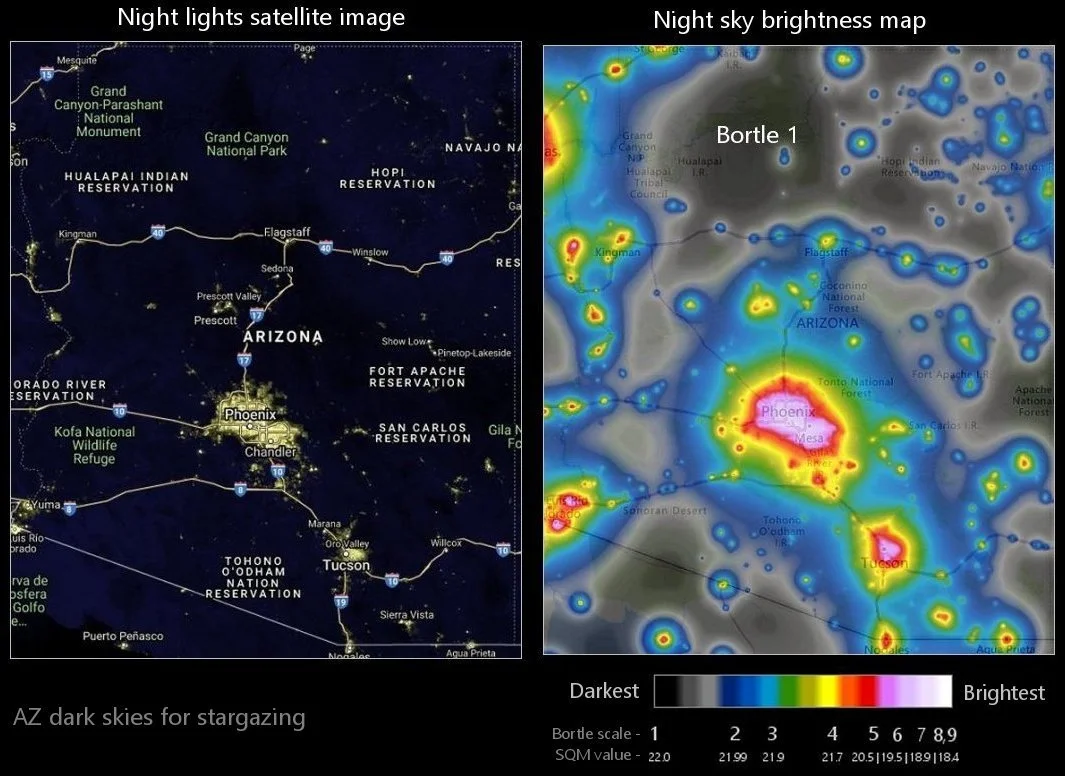
According to the University of Montana, “The Bortle Dark-Sky Scale is a nine-level numeric scale that measures the night sky's and stars' brightness (naked-eye and stellar limiting magnitude) of a particular location.” Based on a nine-point scale, as you can also see from one of the two graphs on the right-hand side of this page.
The Bortle scale helps us range the amount of light pollution in any given area. In this specific case, we are looking right outside of Phoenix, Arizona, understanding from this aerial view we have an opportunity to see the two polar opposite sides of the bortle scale.
The Differences Amongst Species
According to Jason Daley from the Smithsonian Magazine, “We strongly believe artificial light at night – in combination with habitat loss, chemical pollution, invasive species, and climate change – is driving insect declines. We posit here that artificial light at night is another important – but often overlooked – bringer of the insect apocalypse.”
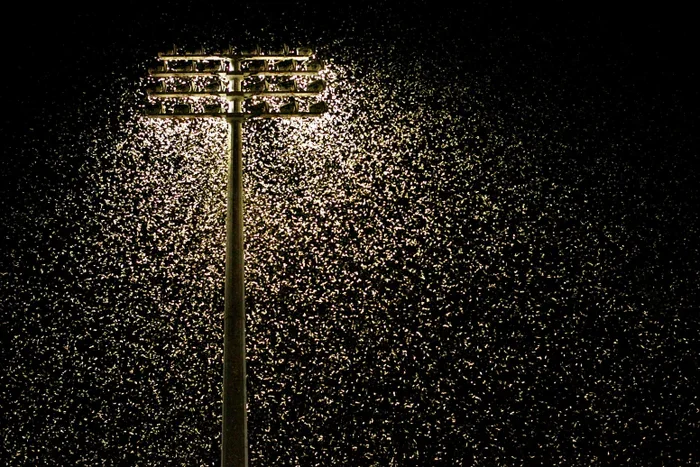
Photograph: Simone De Peak/Getty Images
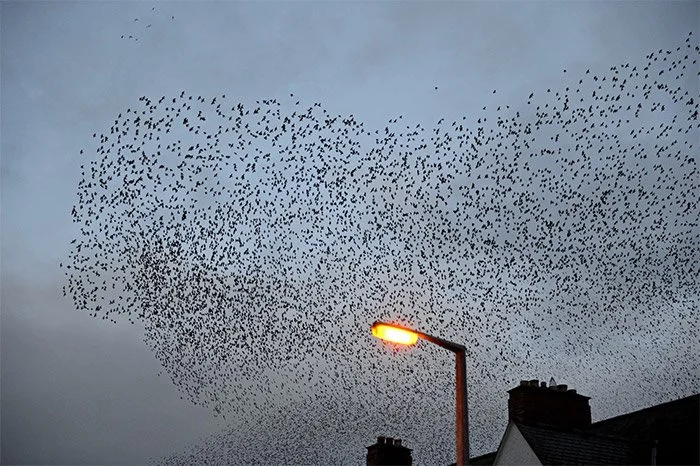
Artificial lighting plays a very crucial role in many different species of migratory birds. According to the NYC Bird Alliance, there have been well over 1,000,000,000 deaths annually. Unfortunately, in New York City alone, there were over 250,000 deaths in 2025. These are also only the account numbers that the NYC Bird Alliance was able to come up with. This is due to the distracting Artificial Lighting in addition to the Height of the Buildings.
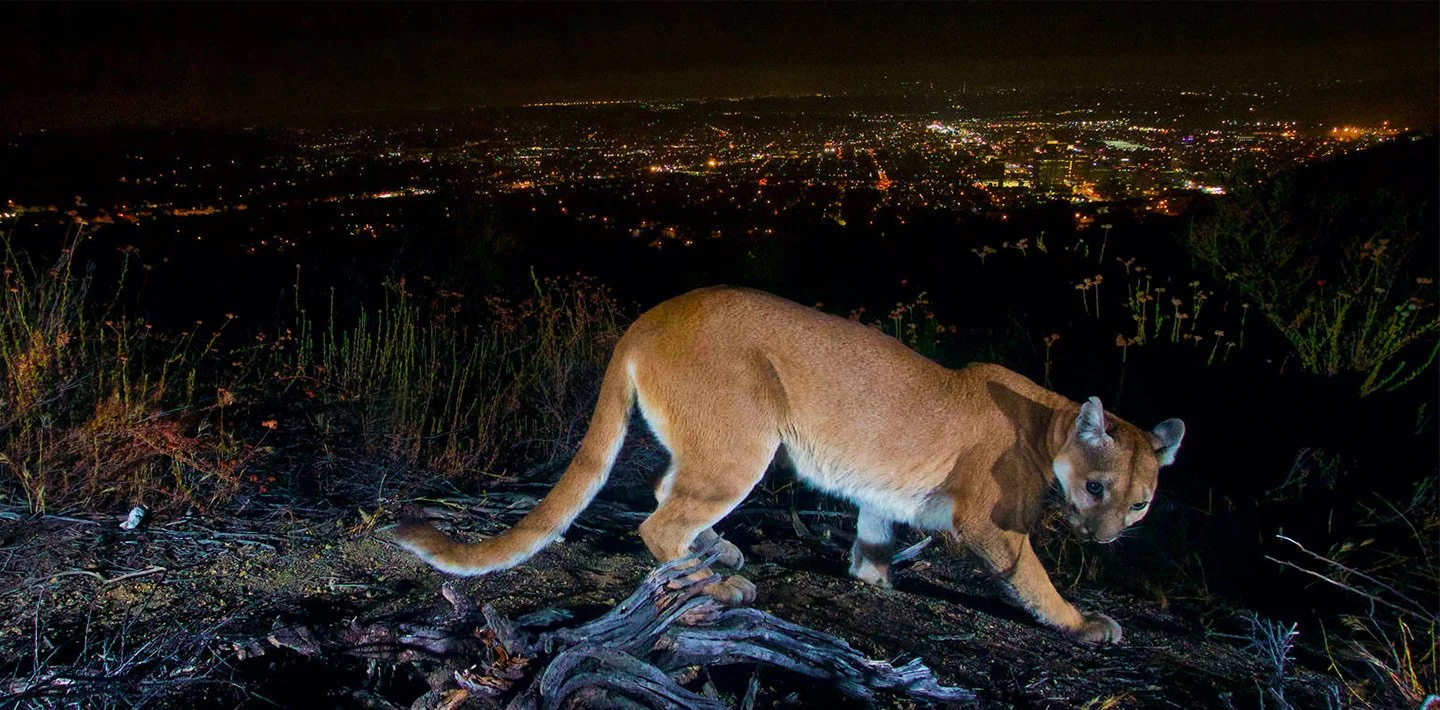
(Credit: National Park Service)